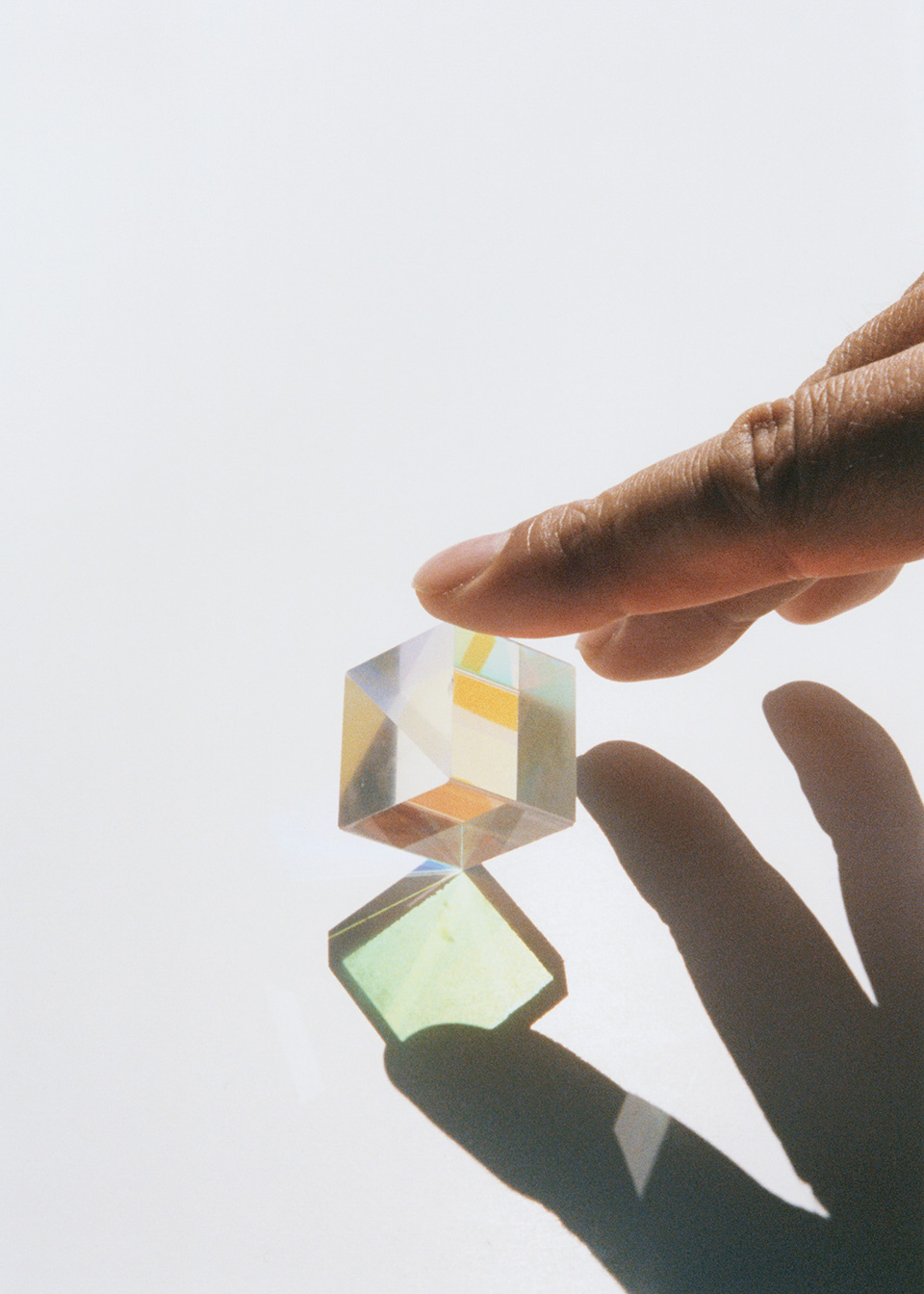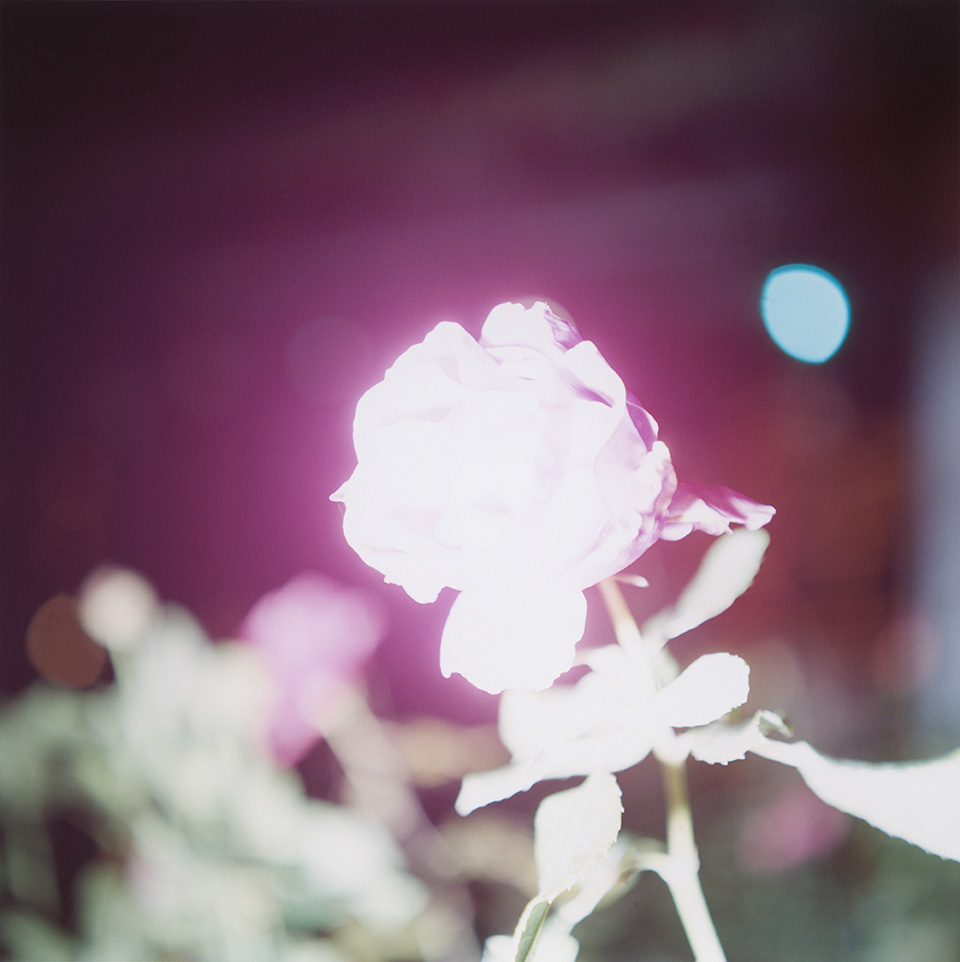
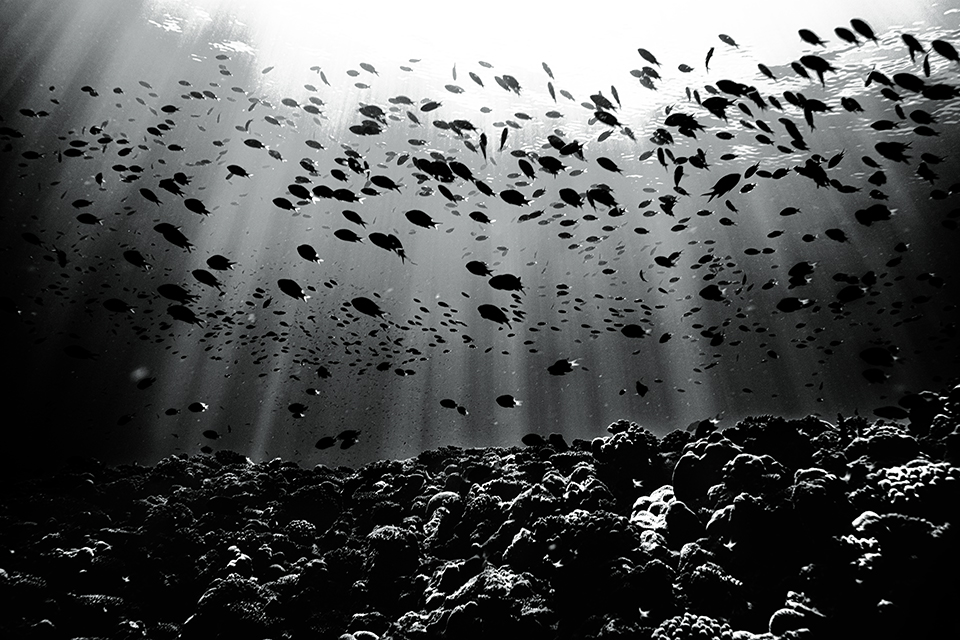
Kawauchi Rinko, Untitled, from the series Illuminance, 2009 ©Rinko Kawauchi
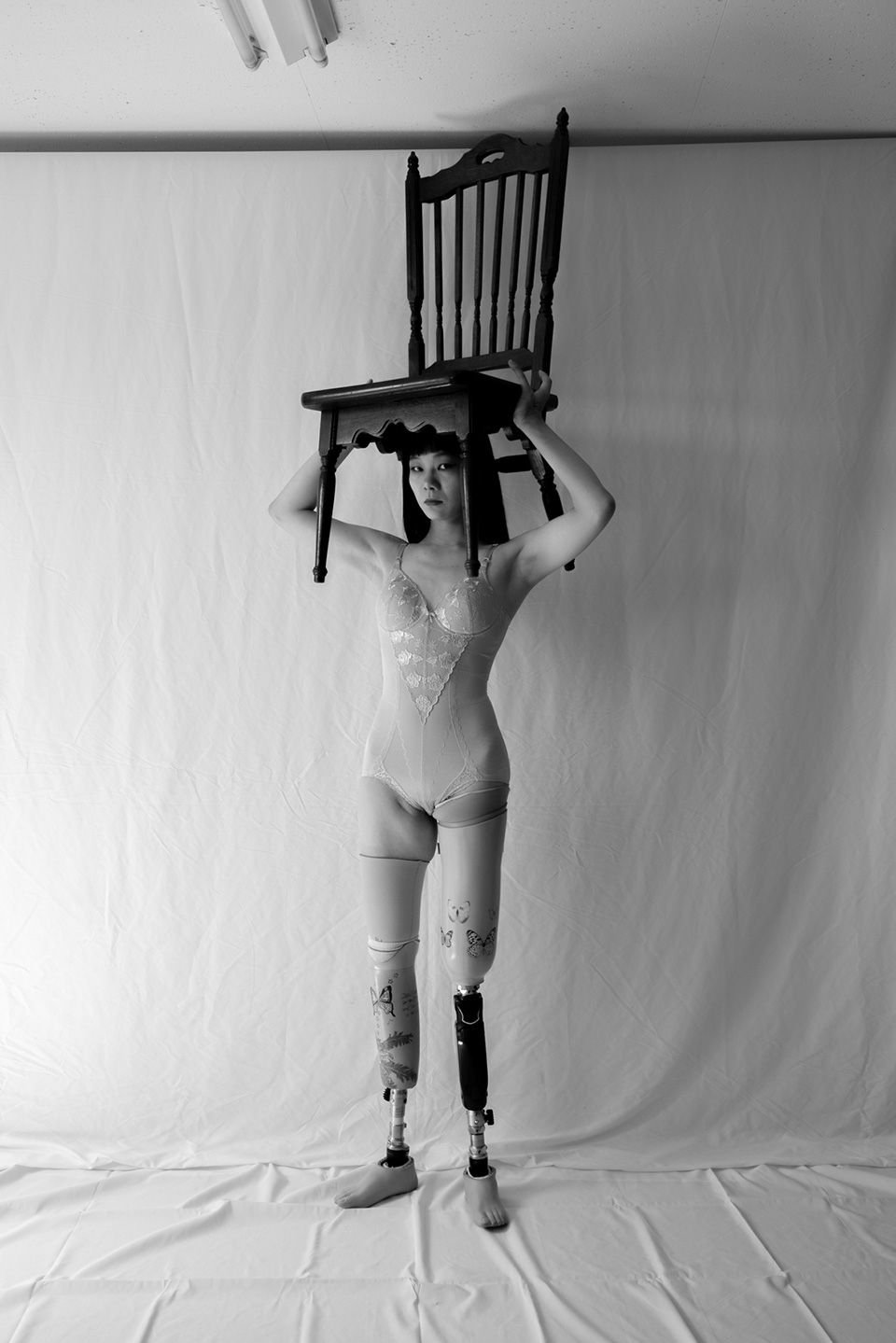
Katayama Mari, study for caryatid #001, 2023 ©Mari Katayama, Courtesy of Yutaka Kikutake Gallery and Galerie Suzanne Tarasieve, Paris, Mari Katayama Studio.
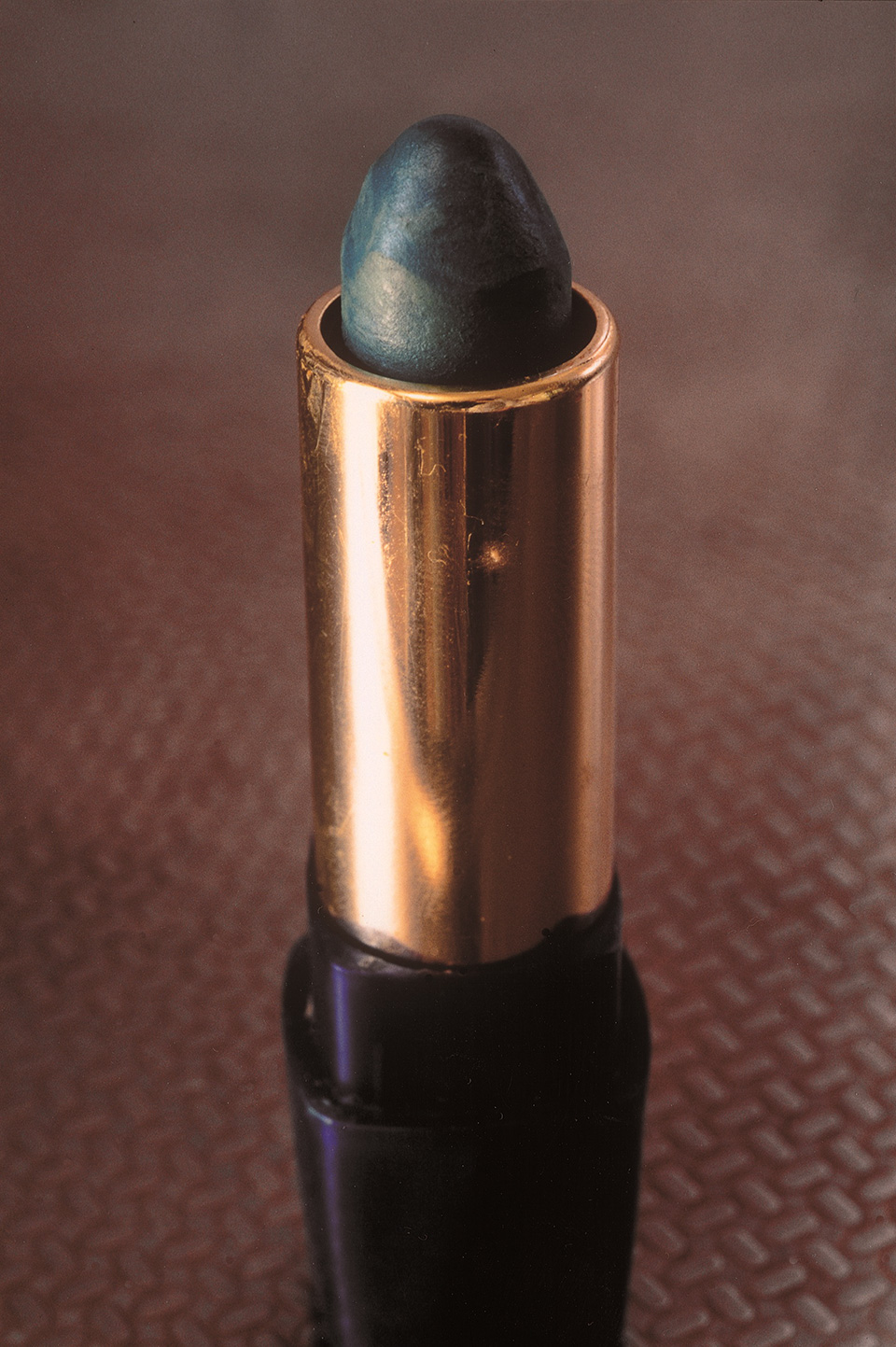
Ishiuchi Miyako, Mother's#39, 2002 ©Ishiuchi Miyako, Courtesy of The Third Gallery Aya

Each has walked their own path. Now, here, their gazes meet in one place.

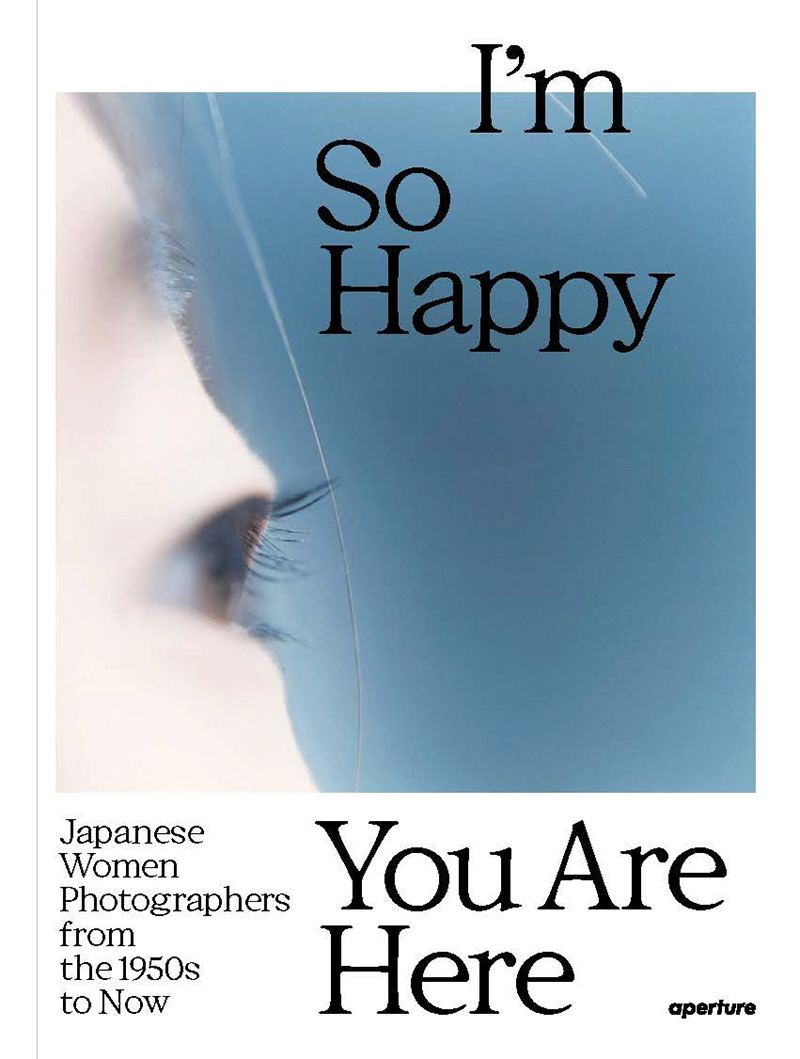
In recent years, Japanese photography has drawn considerable international attention, but the figures held up as its leading names have markedly tended to be men. The summer of 2024 saw the publication of I'm So Happy You Are Here: Japanese Women Photographers from the 1950s to Now, a bilingual English and French volume devoted to the women who have played vital roles in Japanese photography from the 1950s to the present. A companion exhibition of the same name opened at Les Rencontres de la photographie d'Arles and has since continued on an international tour. Both the book and the exhibition have been acclaimed as landmark undertakings that retrace the history of Japanese photography from a fresh angle.

The Bunkamura Museum of Art is delighted to present this exhibition in Japan with an expanded version featuring more artists and a broader selection of works, bringing together 30 women photographers in total. Ahead of its own relocation and expansion several years from now, the museum stages this exhibition in its home district of Shibuya, a neighborhood teeming with individuality and diversity, and invites visitors to reconsider our world through photography. Beyond photography in the narrow sense, the show gathers some 200 works spanning installation, collage, moving image, and more. The artists address themes such as memory, the body, the everyday, and gender, each approaching her subject in a singular way.
Highlights Exclusive to the Japan Exhibition

The Tokyo exhibition adds four more artists (Imai Hisae, Iwane Ai, Fujioka Aya, and Yoneda Tomoko) to the 26 from the European tour, bringing together 30 women photographers in the exhibition's largest edition yet. Parts of the show have also been revised and expanded, with new installations by Iwane Ai, Komatsu Hiroko, Tawada Yuki, and Nagashima Yurie taking advantage of the spacious Hikarie Hall venue. Visitors can also take part in Sawada Tomoko's OMIAI♡ popularity vote, and video projections by Kawauchi Rinko and Ninagawa Mika round out a program exclusive to the Japan exhibition.

Ninagawa Mika, from the series Dancing with Shadows in the Light, 2024 ©mika ninagawa, Courtesy of Tomio Koyama Gallery

Highlights

  1. Thirty Japanese women photographers of international renown, gathered in Shibuya: Wide-ranging themes including memory, the body, the everyday, and gender.

  2. A major international touring exhibition that began at Les Rencontres de la photographie d'Arles and has drawn 140,000 visitors arrives in Japan at last, in expanded form.

  3. A celebratory, of-the-moment exhibition connected to the community, with a rich lineup of partner programs throughout Shibuya.

Chapter1 Adventures in Photography: Unleashing the Imagination

Yamazawa Eiko, What I Am Doing No.77, 1986, ©Yamazawa Eiko, Courtesy of The Third Gallery Aya

How is “photography” defined? It is not only a matter of taking pictures. The medium encompasses photograms, made by exposing photographic paper directly to light without a camera, as well as collages and montages that treat the photograph as a physical object to be freely reshaped and recombined. Spatial approaches such as slide projection and installation are by now commonplace. This section presents works that disrupt conventional notions of seeing and photography through a spirit of bold experimentation. Photography, it turns out, has few limits.

Column1 Artists from Diverse Fields

Many of the artists in the exhibition came to photography after studying or working in other fields. Among those on view: Yamazawa Eiko (Nihonga [Japanese-style painting], oil painting), Imai Hisae (oil painting), Ishiuchi Miyako (weaving), Kon Michiko (printmaking), Kawauchi Rinko (graphic design), Komatsu Hiroko (music), and Tawada Yuki (bioengineering). Considering how these backgrounds inform each artist's work can open up fresh ways of looking.

Chapter2 Adventures in Documentation and Memory:
Toward the Invisible

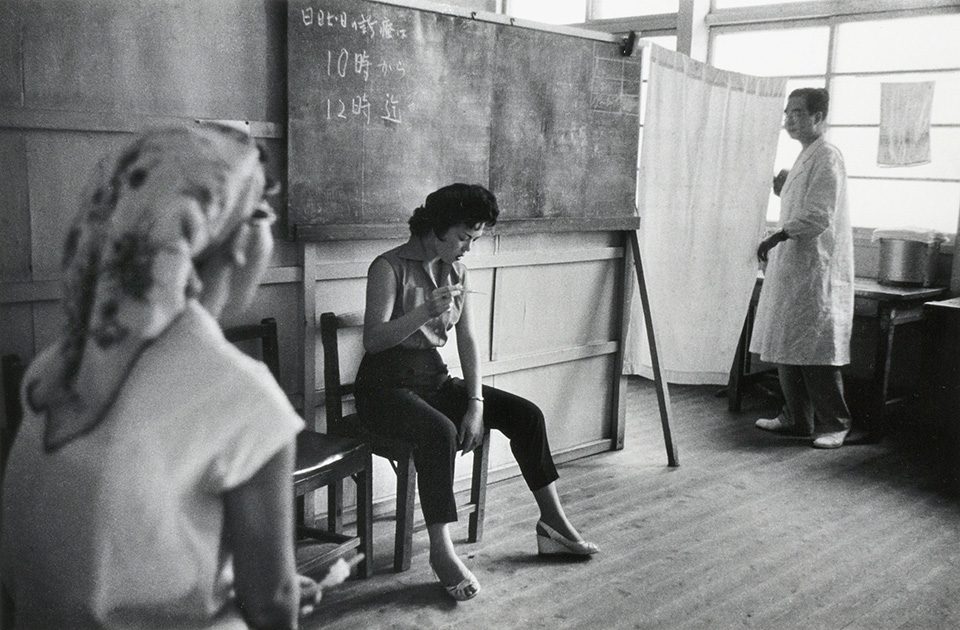
Tokiwa Toyoko, Waiting room of Byobugaura Prefectural Hospital, 1956

The camera documents the scene before it in precise detail, yet through those details and nuances it can also evoke the unseen memories and presences of others. This section features works that probe the invisible world of memory through the visible world of the record. United by an awareness that history is an accumulation of small personal memories, these works listen closely to those quiet voices, connecting past and present with care and attention.

Column2 Bearing Witness to Society

The essential roles of the photographer include setting aside received ideas and documenting the reality before the camera. Pioneering Japanese woman photographer Tokiwa Toyoko photographed women in a range of postwar occupations and, drawing on her coverage of women working in red-light districts, published Kiken na Adabana (Dangerous Toxic Flowers) in 1957. Watanabe Hitomi was the only woman photographer to work inside the barricades during the fall of Yasuda Auditorium at the University of Tokyo in the late 1960s, when student protesters were forced from the occupied building by riot police. Ishikawa Mao, born in Okinawa under American occupation, has been photographing the prefecture since the 1970s as it has endured its uneasy position between Japan and the United States. Fujioka Aya continues to photograph her hometown of Hiroshima, showing aspects of the city and its people that transcend the stereotypical image of a city of peace.

Chapter3 Adventures in Womanhood:
Gender, the Body, and Sexuality

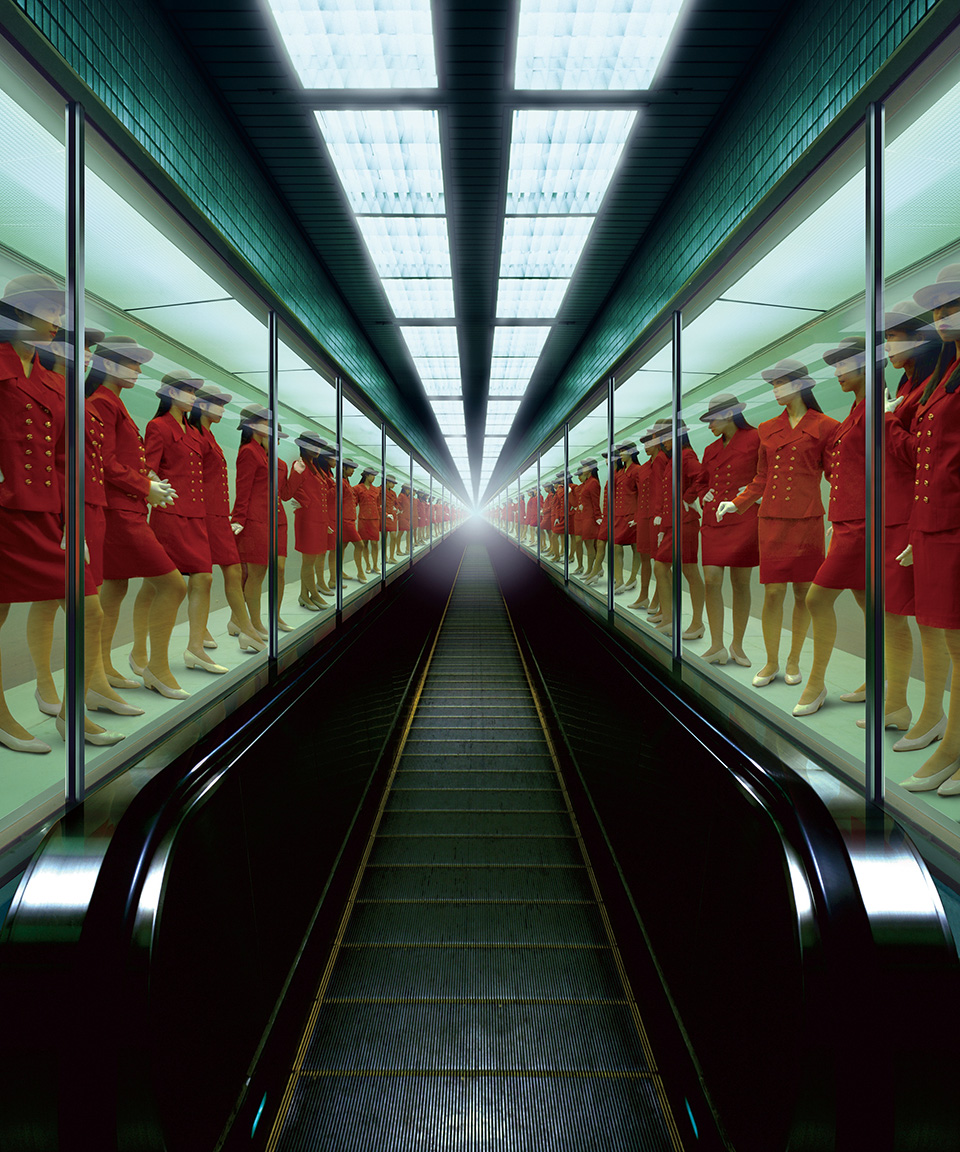
Yanagi Miwa, Elevator Girl House 1F (the right piece of the diptych), 1997 ©YANAGI Miwa

Nearly everyone wishes to live as their true self, and yet in practice this is rarely easy. Many factors lie behind that difficulty, among them social norms around gender and lookism (the overvaluation of outward appearance). Women's bodies in particular have long been subjected to such standards. This section presents works that probe questions of gender and the body from multiple angles. Through the camera, these artists engage with their own bodies and, in their encounters with others, search in earnest for the texture of life itself.

Column3 Artists Working in Multiple Fields

Many of the artists featured here work in multiple disciplines rather than confining themselves to photography alone. Sugiura Kunié is known for hybrid work that combines photography and painting, and Tawada Yuki collaborates with a ceramic artist. Yanagi Miwa directs outdoor theater pieces and other unconventional stage productions, Komatsu Hiroko directs music videos, and Ninagawa Mika is also active as a film director. Others have won recognition in fields unrelated to photography: Nagashima Yurie’s short story collection Senaka no Kioku (Memories of her Back) was nominated for the Mishima Yukio Prize, and Shiga Lieko received the Takeshi Umehara Human Philosophy Award.

Chapter4 Adventures in the Everyday: Seen in the Overlooked Scene

NOGUCHI Rika, Small Miracles #9, 2014, ©Noguchi Rika Courtesy of Taka Ishii Gallery

Adventure, by definition, means placing oneself outside the everyday, but that does not mean the everyday holds no adventures of its own. On the contrary, one of photography's particular strengths is its adventurous readiness to look closely at daily life and draw something new from it. Through a range of works, this section considers how fresh perspectives can be brought to familiar scenes dismissed as trivial. Such moments of recognition can become a source of strength for affirming the daily lives each of us leads.

Column4 Discourse on “Girly Photography”

When young women photographers came to prominence in Japan in the 1990s, their work was lumped together and dismissed as technically unpolished and narrow in scope, even as it was fêted under the label onnanoko shashin (“girly photography”) for reasons that had little to do with the work itself. Nagashima Yurie, Ninagawa Mika, and Hiromix, regarded at the time as the central figures of this group, jointly received the Kimura Ihei Award, often described as the photography world's equivalent of the Akutagawa Prize for literature, in 2001. That three women were given a single shared award, after 25 years in which recipients had always been men with the exceptions of Ishiuchi Miyako, Takeda Hana, and Kon Michiko, was emblematic of the stark gender gap that persists in Japanese society. Nagashima later published 'Bokura' no 'onna no ko shashin' kara watashitachi no gãrĩ foto e (From “Our” Girl Photography to Our Girly Photography), in which she examines the inherent problems in the discourse of that time from a feminist perspective.

Column5 International Reach and Recognition

The work of Japanese women photographers has found audiences and recognition far beyond Japan. Yamazawa Eiko, one of the pioneers, moved to the United States in 1926 at the age of 27, when overseas travel was extremely difficult for a Japanese woman. Thirty-seven years later, in 1963, Sugiura Kunié made the same move at 20, and has been based in New York since 1967. From the 1990s on, more Japanese women photographers began studying abroad, and some have settled overseas, including Onodera Yuki in Paris and Yoneda Tomoko in London. Recognition abroad has grown steadily as well. Onodera was the first Japanese recipient of France’s most prestigious photography award, the Niépce Prize. Okabe Momo was the first Japanese recipient of the Foam Paul Huf Award, a distinguished Dutch prize for emerging photographers. Ishiuchi Miyako was the first Asian woman to receive the Hasselblad Foundation International Award in Photography, often called the Nobel Prize of photography.

Curator of the exhibition in Japan
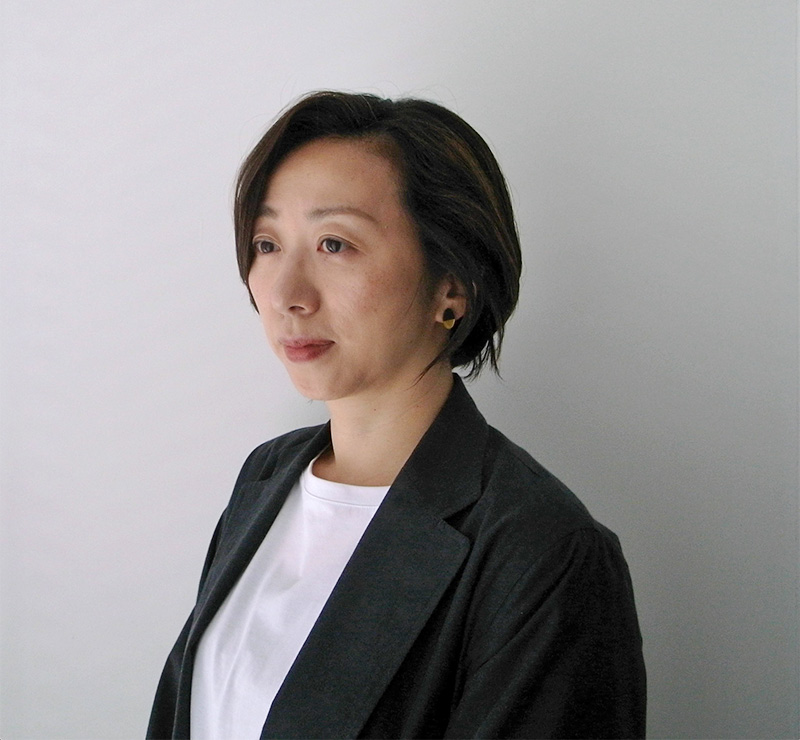
Takeuchi Mariko Critic, writer, curator, and professor at Kyoto University of the Art

Takeuchi Mariko was born in Tokyo in 1972. A critic specializing in photography, she has contributed widely to newspapers, magazines, photobooks, and exhibition catalogues in Japan and abroad, and co-authored numerous publications. A Fulbright Grant took her to the United States, and she has served as a visiting researcher at the National Museum of Modern Art, Tokyo and the National Museum of Art, Osaka. Her curatorial work includes the Japan special feature at Paris Photo and the Japan section of the Dubai Photo Exhibition, among many other projects. Her editorial and translation credits include Disclosure: Rwandan Children Born of Rape by Jonathan Torgovnik, and her own books include Toward the Sea of Contradictions [Mujun no umi e] and Silence and Image: Essays on Japanese Photographers. She lives in Kyoto.

About the Exhibition I'm So Happy You Are Here

I'm So Happy You Are Here opened in the summer of 2024 at Les Rencontres de la photographie d'Arles, in conjunction with the publication of the 440-page volume of the same title (Aperture, with a French edition from Editions Textuel). The exhibition was co-curated by the book's co-editors Pauline Vermare (the Phillip and Edith Leonian Curator of Photography, Brooklyn Museum) and Lesley A. Martin (Executive Director, Printed Matter), together with contributing author Takeuchi Mariko. The exhibition then traveled to The Hague (January–May 2025) and Frankfurt (May–September 2025), and is scheduled to continue to London (June–September 2026) and New York (October 2026–January 2027), among other venues. The Japan edition is an expanded special version of this international touring exhibition, opening almost concurrently with the London edition at The Photographers' Gallery.

About Les Rencontres de la photographie d'Arles

Held every summer in Arles, France, since 1970, this is the world's oldest photography festival and one of its largest. A diverse lineup of exhibitions and events fills historic buildings scattered throughout the city, and the festival wields considerable influence on the global photography scene.

A special catalogue exclusive to the Japan exhibition is available!

Published by AKAAKA Art Publishing. Price: 3,850 yen (tax included, subject to change)

Purchase tickets online